Kamailio
-
WebGL 3D: An interactive 3D cube (fun experiment)
how a 3D cube reaches your screen 0ms 🔷Vertex Buffer 🔄Vertex Shader 🎨Fragment Shader 📺Framebuffer frame time 0ms ⏱ waiting… ▶ Run Frame ↺ Reset Continue reading
-
Chat with Your Kubernetes Cluster Locally: Setting up kubectl-ai with Ollama

Managing Kubernetes often involves remembering a slew of kubectl commands and YAML syntax. What if you could interact with your cluster using natural language, right from your terminal, without sending potentially sensitive information to a third-party cloud service? Enter kubectl-ai, a powerful kubectl plugin that integrates Large Language Models (LLMs) into your Kubernetes workflow. Continue reading
-
Aider: Your Open-Source, Fully Local, and 100% Free AI Pair Programmer (with Ollama)
Looking for a powerful, private, and free AI pair programmer? Meet Aider, a command-line tool that lets you collaborate with Large Language Models (LLMs) right in your local Git repositories, powered by Ollama. Why Aider and Ollama? Getting Started: Recommended Ollama Models for Software Development: Connecting Aider to Ollama: Example: Creating a Simple Python Script… Continue reading
-
How to enable RTPEngine debug Log Level: A Quick Guide

RTPEngine is a powerful media relay for VoIP applications, and effective logging is crucial for monitoring and troubleshooting. This post covers how to manage RTPEngine log levels, including setting them at startup and/or adjusting them dynamically. Understanding RTPEngine Log LevelsRTPEngine uses the standard syslog log levels, defined as follows: Value Name Description 0 LOG_EMERG System… Continue reading
-
Adding slack notifications to kamailio

This guide explains how to integrate Kamailio with Slack, enabling notifications to a Slack channel for VoIP events. It details steps for creating a Slack webhook, configuring Kamailio’s http_client and Slack modules, and using the slack_send function to notify on actions like IP address blocking and unblocking. Continue reading
-
Run Deepseek-r1 and Phi4 Locally with Gradio and Ollama
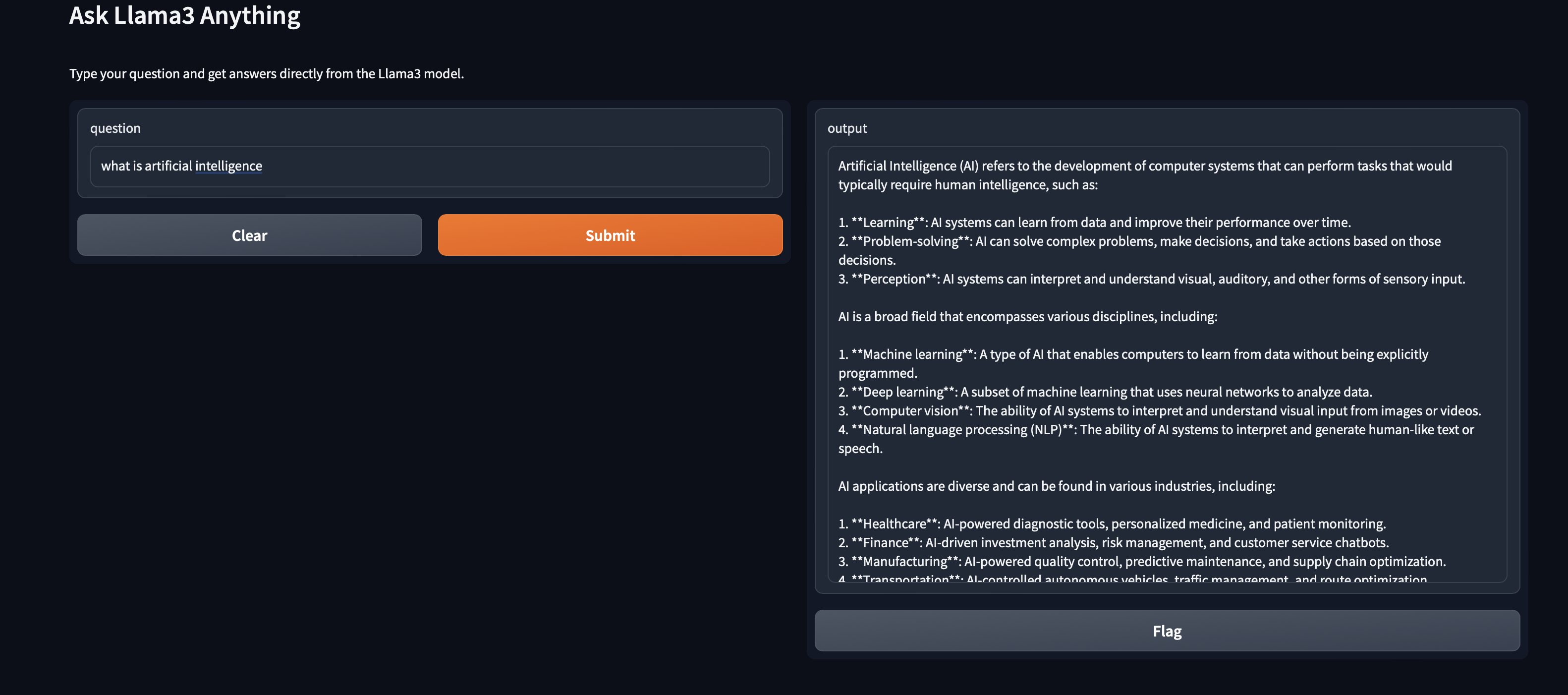
Explore the power of AI on your own terms by running Llama3 and Phi3 models locally with Gradio and Ollama. This guide will show you how to harness these models in a Python environment, ensuring privacy, reduced latency, and complete control over your data. Whether you’re a developer or a tech enthusiast, learn how to… Continue reading
-
Using Trivy to Check for Vulnerabilities in Docker Images

Introduction: In the world of containerisation, security is paramount. Ensuring the images you deploy are free from vulnerabilities is crucial. Trivy, an open-source tool by Aqua Security, is a simple and comprehensive vulnerability scanner for containers and other artifacts. In this post, we’ll walk through the process of using Trivy to scan a Docker image… Continue reading
-
TMUX: Mastering the Art of Command-Line Efficiency

TMUX is a powerful tool for anyone using the command line, allowing you to run multiple sessions in one window. It’s perfect for multitasking, working remotely, and keeping processes running even when disconnected. With TMUX, you can easily switch between tasks, customize your workspace, and improve your productivity. Continue reading
-
Kamailio: Managing Logs Effectively

One of the many tasks that administrators frequently encounter is the effective management of logs. By default, Kamailio logs are directed to syslog. However, there may be scenarios where redirecting these logs to a separate file could facilitate easier management, analysis, or archiving. In this blog post, we’ll guide you through the steps to accomplish… Continue reading
-
Stir/Shaken: How to generate a SIP Identity header using Open-Source tools

In this article, we delve into the practical implementation of Stir/Shaken, specifically focusing on how to generate a SIP (Session Initiation Protocol) Identity header using open-source tools like Kamailio and OpenSSL. Continue reading
-
Stir/Shaken: Understanding the SIP Identity header

A key component of this protocol is the SIP (Session Initiation Protocol) Identity header. This article will delve into the intricacies of the STIR/SHAKEN protocol and the crucial role of the SIP Identity header. Continue reading
-
Sngrep: Mastering the Art of SIP Call Analysis and Debugging

Sngrep is a powerful yet user-friendly tool for monitoring and debugging SIP (Session Initiation Protocol) traffic in real-time or retrospectively. Continue reading
-
Configuring RTPEngine in Kamailio: A Quick Guide

Are you looking to enhance the performance of your Kamailio SIP proxy? Look no further! In this article, we’ll explore how to configure RTPEngine with Kamailio, a powerful combination that enables advanced media handling and network traversal capabilities. Continue reading
-
Visualizing kamailio configuration file using route_graph tool

Have you ever pondered the existence of a tool that could visualize your Kamailio file? Explore this article to discover such a tool, learn how to use it, and try it out for yourself. Continue reading
-
Different types of DTMF in SIP and why DTMF via RFC2833 is more reliable.

Dual-Tone Multi-Frequency (DTMF) tones are used for dialing, navigating automated phone systems, and other tasks. Continue reading
-
Most useful Kamailio commands
Kamailio has three inbuilt tools that can be used to manage and configure Kamailio. Although there are several commands within these tools, I am going to describe the most useful of them all. KAMCTL Common Commands: Command Description kamctl ul show User location in memory (registered users) kamctl ul show –brief Show in-RAM online users… Continue reading
-
Build a SIP Registrar using Python with KEMI framework for Kamailio

#Kamailio #SIP #VoIP #Registrar #KEMI #OpenSource Continue reading
-
Getting started with Kamailio Embedded Interpreter Interface (KEMI) framework using Python
Want to use Python scripting to process Sip messages in Kamailio? Checkout this article to get started. #Kamailio #OpenSource #KEMI #Python #Routing Continue reading
-
Build Amazon Machine Image (AMI) using Packer
Packer is a tool created by HashiCorp that allows developers and system administrators to create identical machine images for multiple platforms, including Amazon Web Services (AWS), Microsoft Azure, Google Cloud, and VMware. Packer automates the process of creating machine images, making it easier to deploy applications across multiple environments and manage infrastructure as code (IaaC).… Continue reading
-
How to enable per module log facility on Kamailio
Kamailio is an open-source SIP server used for voice and video communication services. One of the key features of Kamailio is the ability to enable logging for individual modules, allowing developers to debug specific parts of the system. Generally the Kamailio logs are available in syslog file under”/var/log” directory. In this blog, we will look… Continue reading
Recent Posts
- Setup a Simple Web Page Watcher with phone notification on Raspberry Pi
- How to Make and Receive SIP to PSTN Calls Using Twilio and Zoiper (Step-by-Step Setup Guide)
- WebGL 3D: An interactive 3D cube (fun experiment)
- How to Get Structured JSON Responses from a LLM using Ollama
- Real-Time Speech-to-Speech with OpenAI & Twilio: Full SIP Integration Guide