Kamailio
-
WebGL 3D: An interactive 3D cube (fun experiment)
Interactive WebGL 3D experiment rendering a spinning cube in your browser. Explore vertex shaders, fragment shaders, and real-time GPU rendering. Continue reading
-
Chat with Your Kubernetes Cluster Locally: Setting up kubectl-ai with Ollama

Use natural language to manage Kubernetes with kubectl-ai and Ollama. Run AI-powered kubectl commands locally without sending data to the cloud. Continue reading
-
Aider: Your Open-Source, Fully Local, and 100% Free AI Pair Programmer (with Ollama)
Use Aider with Ollama as a free, private AI pair programmer in your terminal. Edit code, run commands, and commit changes using local LLMs. Continue reading
-
How to enable RTPEngine debug Log Level: A Quick Guide

Configure RTPEngine log levels for effective VoIP troubleshooting. Set levels at startup or adjust dynamically at runtime using standard syslog levels. Continue reading
-
Adding slack notifications to kamailio

Integrate Kamailio with Slack to receive real-time VoIP event notifications. Set up webhooks, configure http_client module, and send alerts to channels. Continue reading
-
Run Deepseek-r1 and Phi4 Locally with Gradio and Ollama
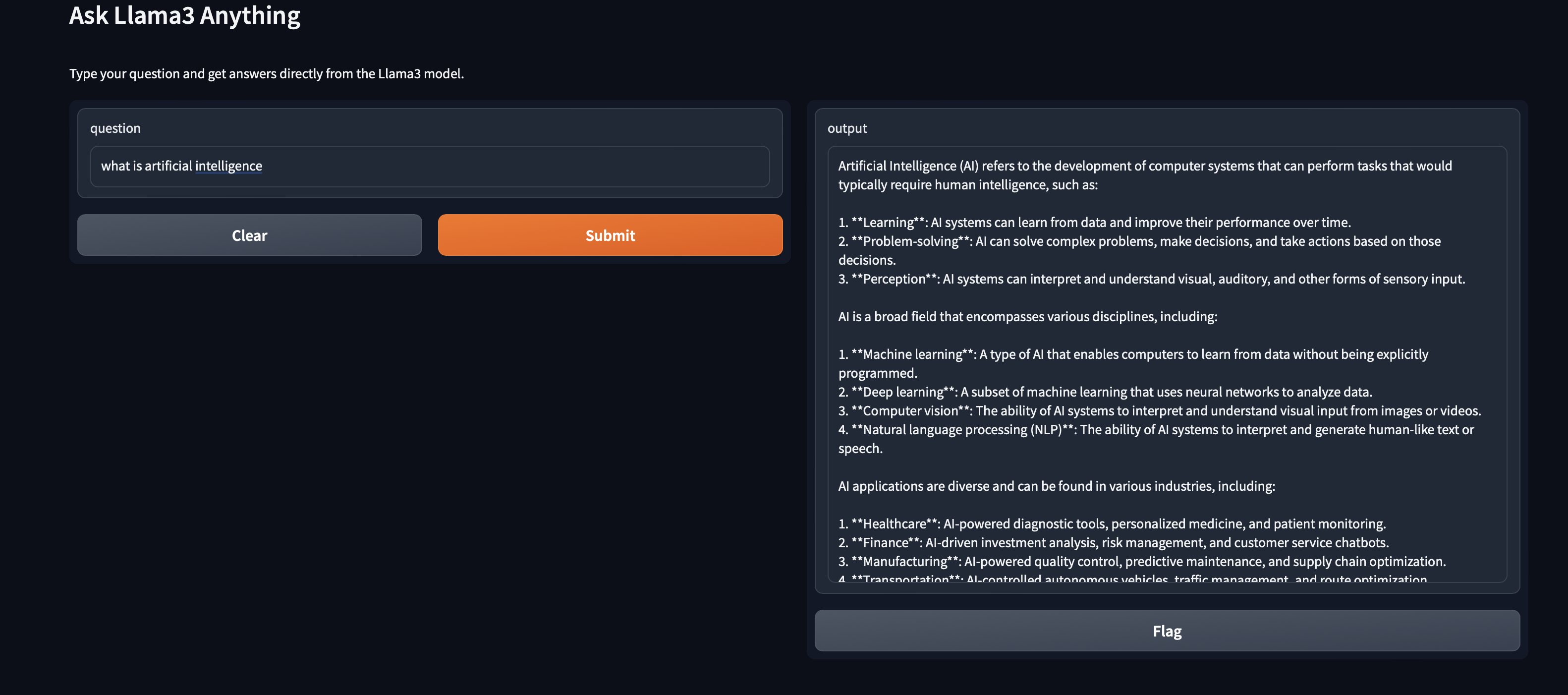
Run DeepSeek-R1 and Phi4 locally with a Gradio web interface and Ollama. Full privacy, zero cost, and complete control over your AI models. Continue reading
-
Using Trivy to Check for Vulnerabilities in Docker Images

Scan Docker images for security vulnerabilities using Trivy. Quick setup guide for Aqua Security’s open-source container vulnerability scanner. Continue reading
-
TMUX: Mastering the Art of Command-Line Efficiency

Master tmux for terminal multiplexing — run multiple sessions, persist work across disconnects, and boost your command-line productivity. Continue reading
-
Kamailio: Managing Logs Effectively

Redirect Kamailio logs from syslog to a dedicated file for easier management and analysis. Step-by-step guide for VoIP server log configuration. Continue reading
-
Stir/Shaken: How to generate a SIP Identity header using Open-Source tools

Generate a STIR/SHAKEN SIP Identity header using Kamailio and OpenSSL. Hands-on guide to caller ID authentication with open-source VoIP tools. Continue reading
Recent Posts
- How to Run a Local AI Coding Agent on Your Mac (Free, No Cloud)
- How LLM Tool Calling Actually Works: A peek under the hood
- Run Gemma 4 on Raspberry Pi 4B: Complete Free Local AI Setup Guide
- Setup a Simple Web Page Watcher with Phone Notification on Raspberry Pi
- How to Make and Receive SIP to PSTN Calls Using Twilio and Zoiper (Step-by-Step Setup Guide)